
Garage Door Sensor Repair
GaragePro HQ helps homeowners and businesses throughout Salisbury, NC get those sensors working correctly again with clear diagnostics and repairs that hold up. If your garage door won’t close smoothly and consistently, call 321-354-6807. In many cases, sensor issues are fixable in one visit once the real cause is identified.
What’s Really Happening When Your Garage Door Won’t Close
Garage door sensors are one of the most misunderstood parts of the system. When they’re working, you never think about them. When they’re not, the whole door suddenly feels unpredictable. Homeowners often assume the opener is going bad because the opener light is flashing, the remote won’t close the door, or the door reverses halfway down. But what we usually find is a sensor signal problem.
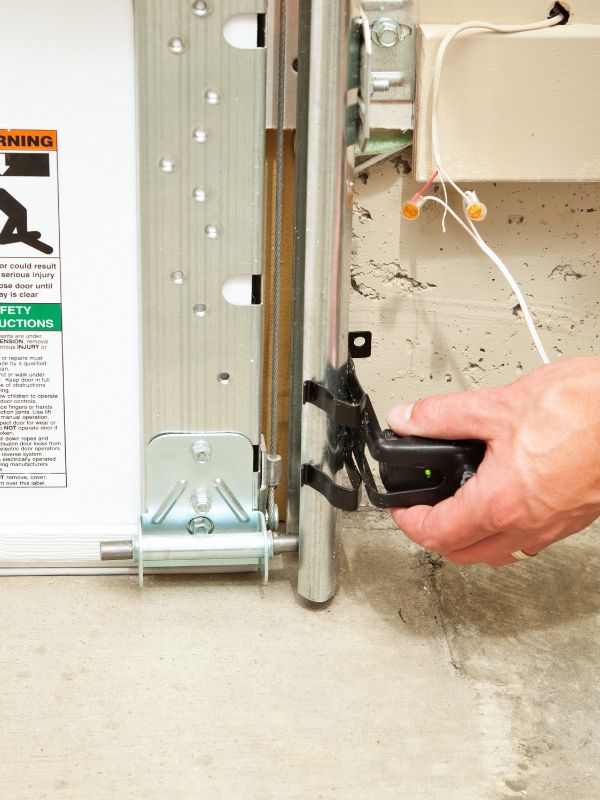
In the garage door world, these are called photo eyes or infrared safety sensors. One sensor sends the beam, the other receives it. If the opener doesn’t see a steady signal, it will refuse to close the door normally. That’s why a lot of doors will still close when you hold the wall button down. It’s a manual override that forces the door to move, even when the sensors are not reading correctly.
Here’s what we typically look for in Salisbury. Dirt, cobwebs, and dust on the lenses can cause “ghost obstructions.” Brackets can loosen and shift just enough to break the beam. Wiring can get pinched or pulled, especially near the track where it’s easy to bump. And on doors that face afternoon sun, glare can hit the receiving sensor and make it act like the beam is blocked.
Last month, we worked with a homeowner in Salisbury, NC with an attached two car garage who said their door would open fine every time, but it wouldn’t close unless they held the wall button down. They cleaned the sensors and moved everything out of the way, but the problem kept returning. We found a slightly bent sensor bracket and a loose wire connection that would flicker under vibration. After securing the bracket, correcting the wiring connection, and testing the door through repeated full cycles, the door closed smoothly again from the remote, keypad, and wall button without reversing.
Common Garage Door Sensor Problems We Fix
Sensor issues usually follow a few predictable patterns, even though they feel random when you’re dealing with them at home.
If you’re seeing any of these problems in Salisbury, NC, there’s a good chance the sensors are involved. When the garage door will not close at all, it’s often because the sensors are not aligned, the beam is blocked, or one sensor is not getting power. The opener sees that as an unsafe condition and refuses to shut the door. When the door starts closing and then reverses, the system is usually reacting to a broken signal. That can be caused by a dirty lens, sunlight glare, vibration shifting the bracket, or wiring that’s loose enough to cut in and out.
Blinking sensor lights or a flashing opener light is the door’s way of telling you the signal is not steady. A solid light usually means the beam is connected. A blinking light or no light often points to misalignment, obstruction, or a wiring fault. Intermittent problems are the most frustrating. The door works five times, then refuses the sixth. That’s usually not your imagination. It’s often a loose connection, a pinched wire, or a sensor that’s failing internally and only acts up when conditions are just right.
Reliable Solutions for Every Garage Door Need
At Salisbury, NC Garage Pro HQ, we specialize in providing top-quality garage door services to homeowners and businesses alike. Whether you’re looking for a brand-new installation, a fast repair, or regular maintenance to keep your garage door running smoothly, we’ve got you covered.
Our Garage Door Sensor Repair Process
Garage door sensor repair should be simple from your side, but it takes careful steps to make the fix stick. At GaragePro HQ, we focus on restoring a clean, steady safety signal so your door closes normally every time.

Sensor and System Inspection
We start at the bottom of the tracks where the sensors are mounted. We check that both sensors are at the same height, facing each other, and securely attached. We also inspect the area for everyday obstructions, like storage bins, yard tools, spiderwebs, and dust buildup that can interfere with the beam.

Signal and Wiring Diagnosis
Next, we follow the sensor wiring back toward the opener and check for loose connections, pinched wires, and damage near staples or mounting points. Intermittent issues often come down to wiring that looks fine at a glance but fails when the opener vibration kicks in.

Alignment, Calibration, and Verification
Once everything is aligned and secure, we verify the sensors hold a steady signal and the opener responds correctly. Then we run the door through multiple full open and close cycles using the remote and wall control to confirm the door closes smoothly without reversing. We also check the safety reversal response so you’re not left wondering if it’s truly fixed or just having a good moment.
What the Sensor Lights Are Trying to Tell You
A lot of homeowners in Salisbury end up standing in the garage staring at those little lights, trying to decode what they mean.
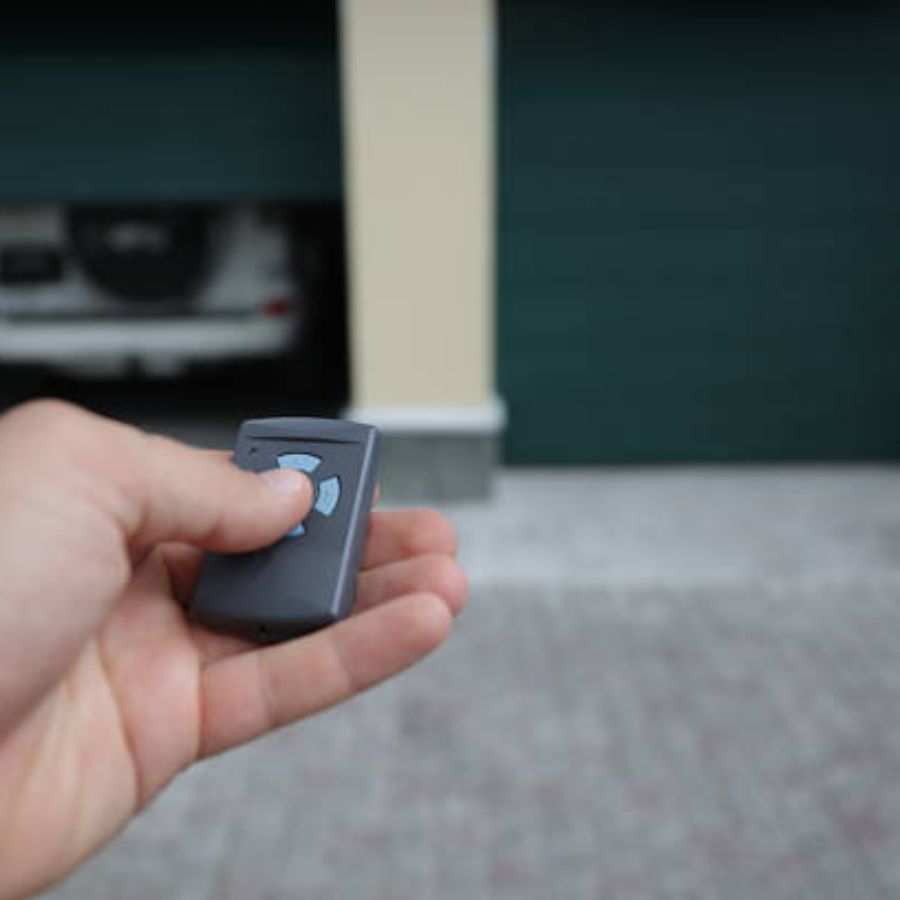
While the exact colors can vary by opener brand, the pattern matters more than the color. If one sensor light is solid and the other is blinking, the sensors are usually out of alignment or the receiving sensor is struggling to see the beam consistently. If one light is completely off, that sensor may not be getting power, the wiring may be damaged, or the sensor itself may have failed.
If both lights are on but the door still reverses, the beam may be getting interrupted during the close cycle, or the issue may involve wiring, mounting stability, or opener settings that need to be checked.
This is also where quick DIY attempts can go wrong. Taping sensors together or mounting them higher might make the door close, but it removes the safety protection where it’s needed most, near the floor where kids, pets, and objects are actually in the path.
Why Garage Door Sensor Repair Matters
Sensor trouble is easy to dismiss as an annoyance until you realize what it affects.
A door that won’t close can leave your home unsecured. A door that reverses unexpectedly can turn into a daily frustration. And a sensor system that’s bypassed or patched together can create a real safety risk.
There are a few safe checks homeowners can do. You can wipe the lenses with a soft cloth, clear the area near the floor, and make sure both sensors are facing each other at the same height. You can also notice whether the door only closes when you hold the wall button down, which is one of the strongest signs of a sensor signal problem.
But once the issue involves wiring faults, sensor replacement, or diagnosing why the signal keeps dropping, it’s worth having someone take a careful look. A pinched wire behind the wall or a loose connection at the opener can keep coming back until it’s corrected properly.
For families in Salisbury, NC who use the garage as the main way in and out of the house, a door that won’t close reliably isn’t just inconvenient. It disrupts routines, delays commutes, and makes it harder to feel secure when you’re trying to close up for the night.
We Offer Garage Door Services in Salisbury, NC, and Surrounding Areas
When Sensor Issues Connect to Other Garage Door Services
Sensor problems can be a standalone issue, but they can also be a clue that the rest of the system needs attention
Garage Door Openers
Sensor trouble is one of the most common reasons homeowners think their opener is failing. Flashing lights, doors that reverse mid-close, or openers that refuse to respond are often tied directly to the safety sensor system. In some cases, the opener’s receiver, wiring connections, or logic board may be contributing to inconsistent sensor signals. When we inspect sensor problems, we also evaluate how the opener is behaving overall, because the opener and sensors work together as one safety system.
Garage Door Weather Stripping
The sensor area sits close to the floor, which means it is constantly exposed to dust, moisture, pollen, grass clippings, and debris that blow into the garage opening. Worn or missing weather stripping allows more grime to collect around the sensor lenses and brackets, increasing the chances of repeat beam interruptions. Upgrading weather seals can help keep the sensor zone cleaner, reduce false obstruction problems, and prevent frequent misalignment caused by buildup near the tracks.
Garage Door Spring Replacement
If the garage door feels heavy, jerky, or unbalanced, it can create vibration during travel that slowly shifts sensor brackets out of place. Springs are what counterbalance the weight of the door, and when they begin to fatigue, the door may move unevenly or slam slightly during closing. That extra movement can stress sensor wiring, loosen mounts, and lead to recurring alignment issues. In those cases, restoring proper spring balance helps the entire system run smoother and keeps the sensors stable long term.
If you’d like to learn more, sensor repair often connects to opener troubleshooting, sealing improvements, and spring balance checks, because the door, opener, and safety sensors all function as one complete system.
Garage Door Sensor Repair Across Salisbury Property Types
Sensor repair can look a little different depending on the property.
In older Salisbury homes with detached garages, we often find aging wiring, loose mounting points, and sensor brackets that have been bumped over the years. These garages are more likely to have exposed wiring runs where temperature changes and moisture can weaken connections.
In newer homes with attached garages, the install is usually cleaner, but wiring may be routed through finished walls, which makes hidden damage harder to spot. These garages also tend to have brighter lighting, and certain LED bulbs can interfere with sensor signals in some setups.
For commercial properties and workshop garages in Salisbury, the door cycles more often and sees more traffic through the opening. That means more vibration, more bumps, and more opportunities for sensors to drift out of alignment, especially if the brackets aren’t secured properly.
Frequently Asked Questions
What Homeowners Should Expect After a Sensor Repair
Once the sensors are repaired and properly aligned, your garage door should close smoothly without reversing, without hesitation, and without the wall button workaround. You should also understand what caused the problem in the first place, whether it was glare, wiring, alignment, or a sensor that wore out.
At GaragePro HQ, we take a repair first approach whenever it makes sense. Many sensor issues are fixable in one visit with careful diagnostics and proper setup. Before we leave, we test the system thoroughly so you’re not guessing later.
Ready to Experience the Best Garage Door Services?
Contact us today to schedule a service or to learn more about our offerings. Our team is here to assist you with all your garage door needs.